
How Long Does Emergency Food Last?
August 13, 2026
Civil Defence Supplies for NZ Schools: A Practical Preparedness Guide
September 15, 2026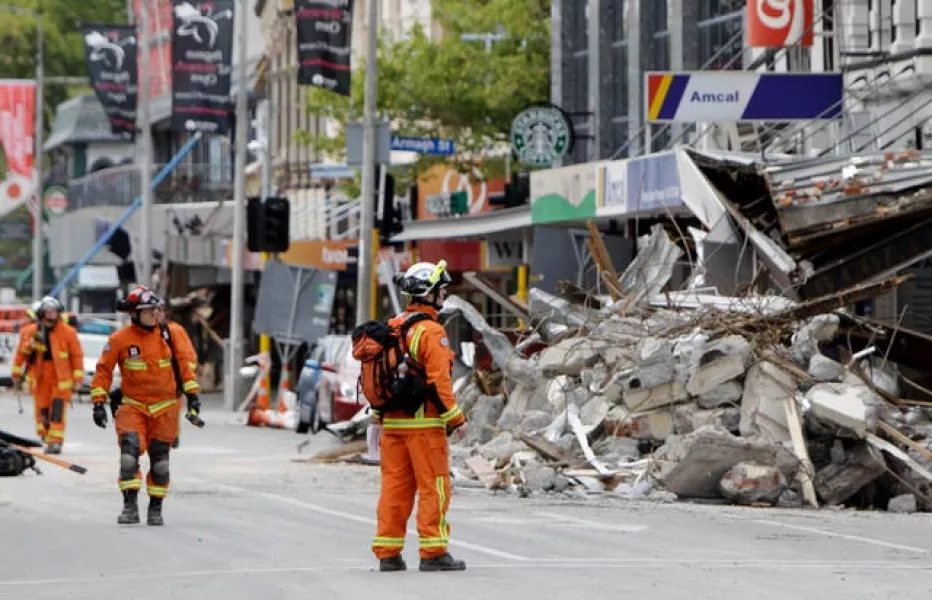
1. Make a household emergency plan
Everyone should consider having an Earthquake Preparedness Checklist and should cover what everyone will do during and after an emergency.
Make sure your household knows:
- Where to safely Drop, Cover and Hold
- How to contact one another if mobile networks are disrupted
- Where to meet if you cannot return home
- Who will collect children from school or childcare
- How to assist older family members or anyone with additional needs
- What to do with pets
- Where your emergency supplies are stored
- When and how to turn off water, electricity or gas
- Where your nearest tsunami evacuation route is, if you live or work near the coast
Choose an out-of-area contact who family members can message if local communications are overloaded. Keep a written copy of important phone numbers in case your phone is damaged or has no power.
2. Practise Drop, Cover and Hold
During an earthquake, immediately:
- Drop down onto your hands and knees so you are less likely to be knocked over.
- Cover your head and neck. Get underneath a strong table or desk if one is within a few steps.
- Hold onto your shelter until the shaking stops.
Do not run outside during the shaking. Falling glass, bricks and other debris can make the area immediately outside a building particularly dangerous. Doorways are also not necessarily safer than other areas in a modern home.
Identify safe locations in the rooms you use most often and practise Drop, Cover and Hold with your household at least twice a year. People using wheelchairs or walkers should practise the appropriate Lock, Cover and Hold procedure.
You can find detailed earthquake safety advice on the official New Zealand Get Ready website.
3. Prepare your earthquake emergency supplies
After a major earthquake, you may need to remain at home without electricity, running water or easy access to shops for several days or longer.
Your household emergency supplies should include:
Water
Store enough drinking and cooking water for everyone in your household. Remember to include additional water for pets, hygiene and food preparation.
Keep water in strong, food-grade containers and store it in more than one location in case part of your home becomes inaccessible. Follow official advice on treating and replacing stored water.
Choose food that:
- Has a long shelf life
- Can be eaten without cooking or requires minimal preparation
- Needs little water
- Provides a reasonable balance of calories and nutrients
- Is familiar to your household
- Meets any allergy or dietary requirements
Suitable options may include canned food, dried fruit, nuts, crackers, emergency ration bars, freeze-dried meals and purpose-made long-life emergency food.
Check expiry or best-before dates regularly and replace items when required. A dedicated emergency food supply can help prevent your everyday pantry from being depleted when an emergency occurs.
Lighting and communications
Include:
- Battery-powered or wind-up radio
- LED torches or headlamps
- Spare batteries
- Power banks
- Charging cables
- Car phone charger
- Whistle for attracting attention
Avoid relying only on your mobile phone. Networks may be unavailable, congested or difficult to access if electricity remains off for an extended period.
First aid and medication
Your supplies should contain:
- A well-stocked first aid kit
- Essential prescription medication
- Copies of prescriptions
- Basic pain relief
- Disposable gloves
- Hand sanitiser
- Face masks
- Hygiene products
- Spare glasses or contact-lens supplies
Talk to your doctor or pharmacist about safely maintaining an emergency supply of essential medication.
Clothing and shelter
Pack:
- Warm clothing
- Waterproof jackets
- Strong footwear
- Work gloves
- Emergency blankets
- Sleeping bags or warm bedding
- Sun protection
- Dust masks
- A tarpaulin and strong tape
Keep sturdy shoes, a torch and gloves near your bed. Broken glass and debris may cover the floor after an earthquake.
Tools and practical equipment
Useful items include:
- Multi-tool or basic tool kit
- Adjustable spanner
- Can opener
- Heavy-duty rubbish bags
- Duct tape
- Rope or cord
- Bucket with a secure lid
- Toilet paper
- Cleaning and sanitation supplies
- Fire extinguisher
- Copies of important documents
- A small amount of cash
Make sure household members know where the water, gas and electricity controls are located. Only turn utilities off when it is safe and necessary, or when advised by the appropriate authority.
4. Secure your home
Many earthquake injuries are caused by objects falling, breaking or moving across a room.
Reduce the risk by:
- Securing tall bookshelves and cabinets to wall framing
- Fastening televisions and computer monitors
- Using safety catches on cupboard doors
- Keeping heavy objects on lower shelves
- Moving beds away from large windows and heavy wall-mounted items
- Securing hot-water cylinders
- Checking chimneys and masonry
- Keeping exits clear
- Storing hazardous chemicals safely
- Making sure mirrors and framed pictures are securely attached
Review your home and contents insurance regularly. Keep photographs of valuable belongings and store important documents digitally and in a waterproof container.
5. Prepare grab bags
An emergency grab bag is designed for situations where you need to leave quickly or cannot return home.
Prepare one for each family member and consider keeping additional grab bags at work and in your vehicle.
A grab bag may contain:
- Water and compact emergency food
- First aid supplies and medication
- Torch and spare batteries
- Power bank and charging cable
- Battery-powered radio
- Warm and waterproof clothing
- Emergency blanket
- Face mask and work gloves
- Toiletries
- Copies of identification and emergency contacts
- Cash
- House and vehicle keys
- Supplies for babies, pets or people with additional needs
Store grab bags somewhere easy to reach, rather than in a garage or cupboard that could become blocked.
6. Know your tsunami risk
If you are near the coast and experience an earthquake that is long or strong, do not wait for an official warning.
Remember:
Long or Strong, Get Gone.
Once the shaking stops, move immediately to high ground or as far inland as possible. Follow your local tsunami evacuation route and travel on foot if roads are congested or damaged.
Know whether your home, workplace, school and frequently visited locations are within a tsunami evacuation zone.
7. Know what to do after an earthquake
After the shaking stops:
- Expect aftershocks and be ready to Drop, Cover and Hold again
- Check yourself and others for injuries
- Put on sturdy shoes, gloves and protective clothing
- Check for fire, damaged wiring and gas leaks
- Leave badly damaged buildings when it is safe
- Keep away from fallen power lines and unstable structures
- Listen to official instructions on a radio
- Use text messages rather than phone calls where possible
- Check on neighbours who may need help
- Keep pets under control and away from hazards
- Take photographs of property damage when safe
- Contact your insurer as soon as practical
If you are in a tsunami evacuation zone following a long or strong earthquake, evacuate as soon as the shaking stops.
8. Review your emergency kit regularly
Earthquake preparation is not a one-time task. Review your plan and supplies every six months.
During each check:
- Replace expired food, water, batteries and medication
- Recharge power banks
- Check torches and radios
- Update emergency contacts
- Replace clothing that children have outgrown
- Review household medical or dietary needs
- Confirm your meeting locations
- Practise Drop, Cover and Hold
- Check that furniture and appliances remain securely fastened
Start preparing your earthquake preparedness checklist now
You do not need to complete everything at once. Begin with the essentials: create a household plan, store water, organise emergency food, prepare a first aid kit and make sure everyone knows how to Drop, Cover and Hold.
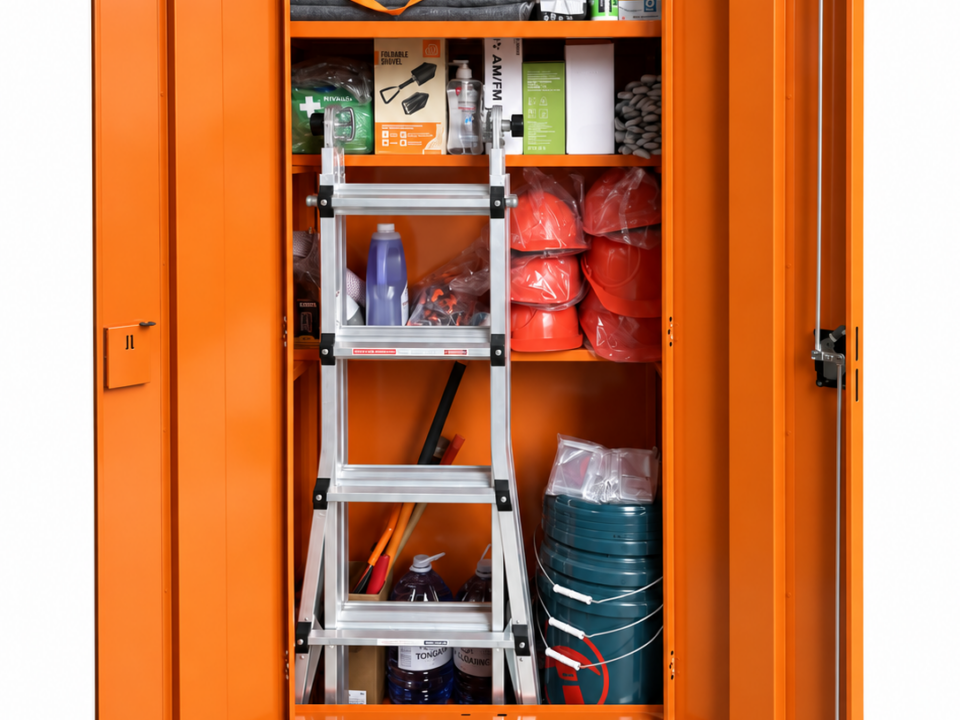
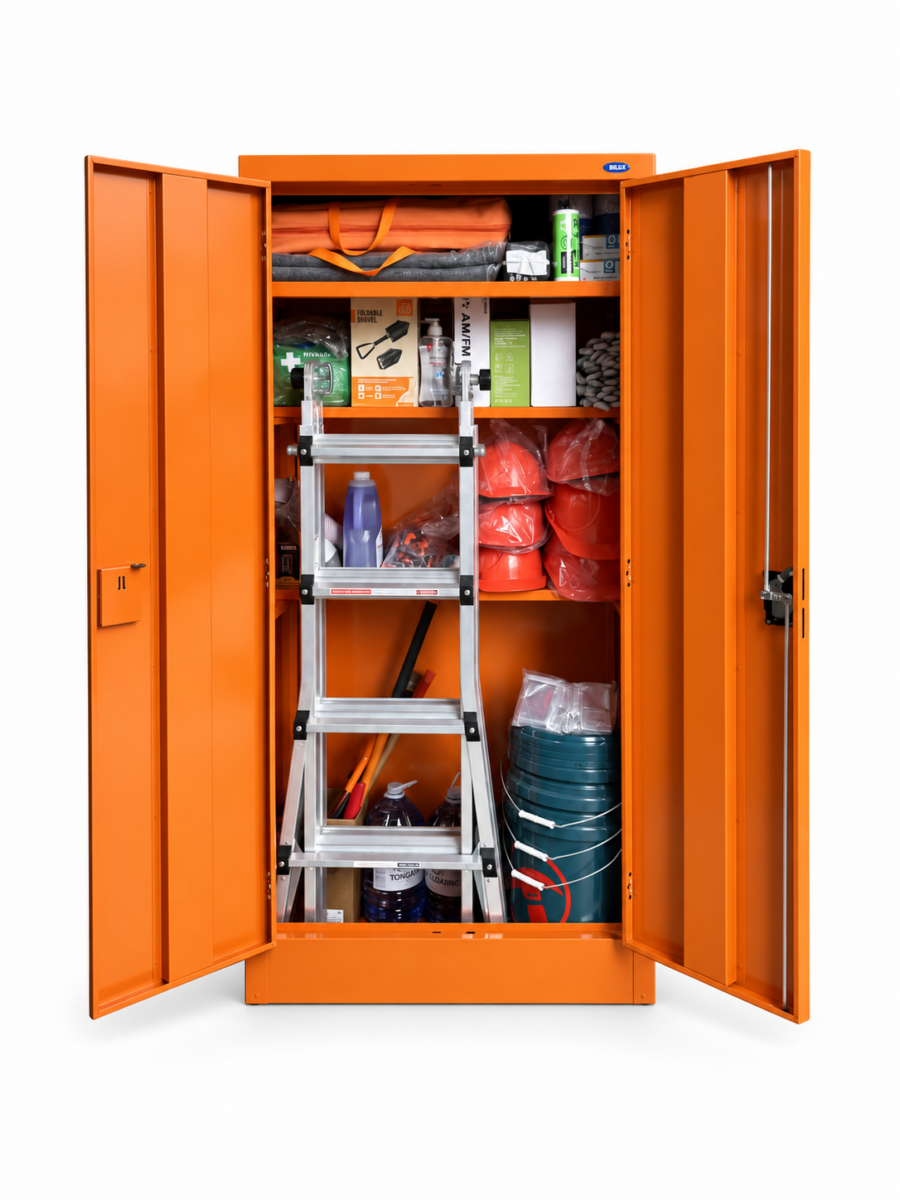
Bunkerbox supplies New Zealand households, businesses and community organisations with emergency kits, grab bags, long-life emergency food and civil defence supplies. Explore our range of earthquake preparedness supplies and build an emergency solution suited to your household and location.
Being prepared cannot prevent an earthquake, but it can help you stay safer, respond calmly and manage the days that follow.
Find out more or Shop Survival kits NZ and Emergency Food and supplies, contact
our team for advice, bulk orders and commercial quotations.