What Sells Out First in a Civil Emergency?
June 16, 2026
How Long Does Emergency Food Last?
August 13, 2026
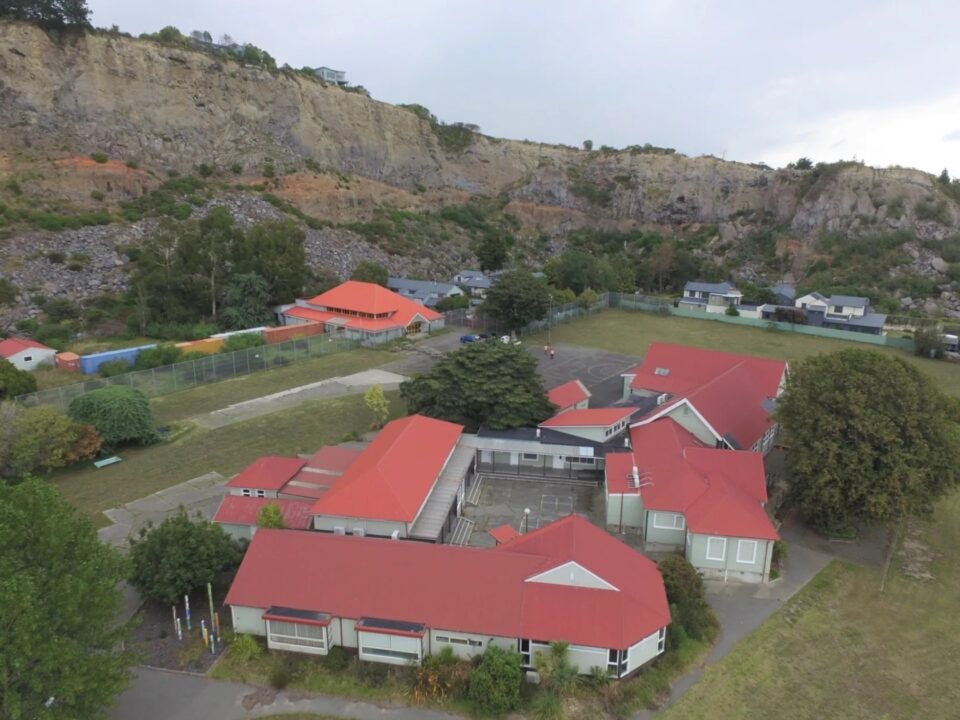
New Zealand is one of the world’s most beautiful places to live, but it is also one of the most hazard-prone. Earthquakes, storms, flooding, landslides, volcanic activity, tsunamis, and power outages can occur with little warning. The difference between coping and struggling often comes down to one thing: being prepared before an emergency happens.
Whether you live in Auckland, Wellington, Christchurch, or a rural community, understanding the basics of emergency readiness is one of the most valuable investments you can make for your family
Why Emergency Readiness Matters in New Zealand
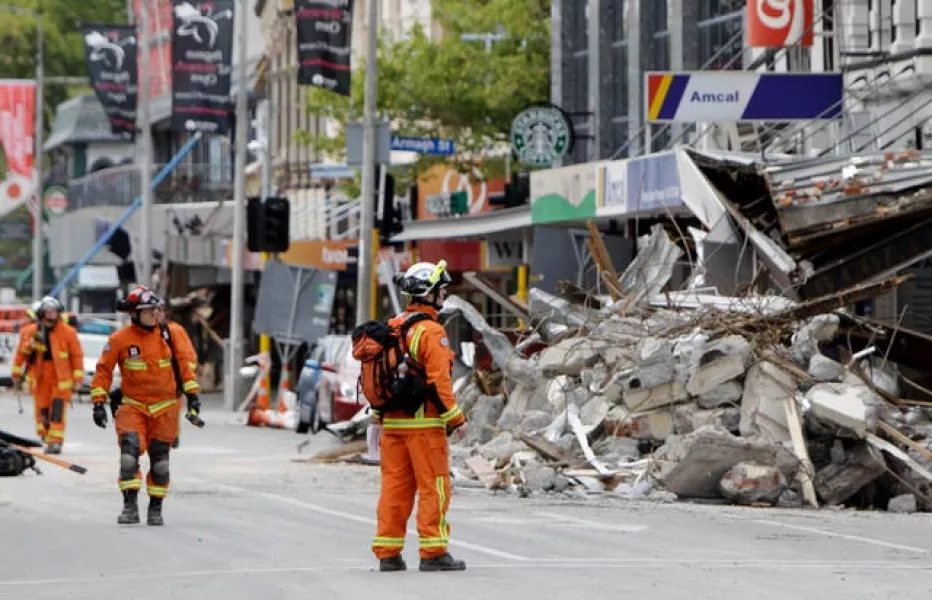
Many New Zealanders assume emergency services will arrive quickly after a disaster. While emergency responders do an incredible job, widespread events can overwhelm resources, meaning households may need to be self-sufficient for several days.
That’s why Civil Defence recommends every household has enough supplies to be independent for at least three days, although many preparedness experts recommend planning for seven days or more.
Being prepared isn’t about expecting disaster—it’s about reducing stress, staying safe, and recovering faster.
The Five Basics of Emergency Readiness
1. Store Enough Water
Water is your highest priority.
Plan for at least:
- 3 litres of drinking water per person per day
- Extra water for cooking and hygiene
- Water for pets
A family of four should have a minimum of 36 litres for three days, but storing more is always better.
2. Keep Long-Life Emergency Food
Your emergency food should:
- Have a long shelf life
- Require little or no preparation
- Provide enough calories and nutrition
- Be easy for children to eat
- Be familiar foods your family enjoys
Good options include:
- Freeze-dried meals
- Emergency ration bars
- Canned food
- Rice and pasta
- Instant porridge
- Long-life milk
- High-energy snacks
Many New Zealand households are now choosing New Zealand-made emergency food, providing familiar meals with quality ingredients and excellent shelf life.
3. Build an Emergency Kit
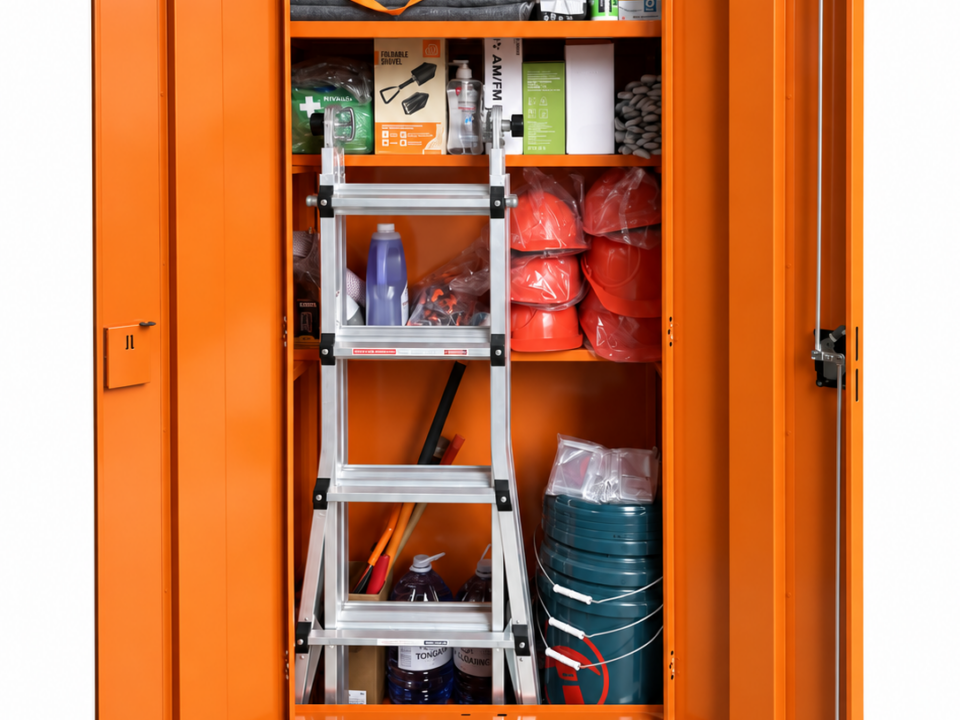
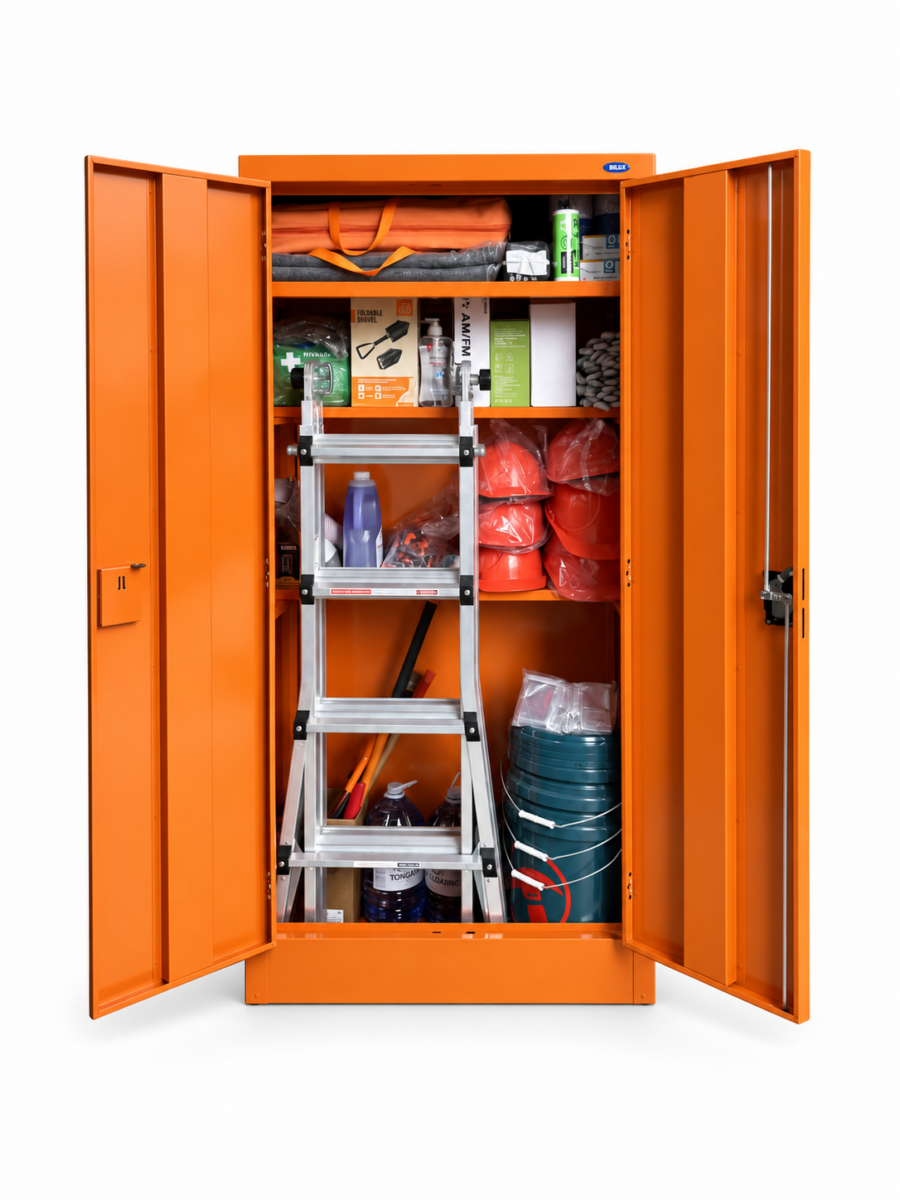
A quality emergency kit should contain more than just food and water.
Essential items include:
- First aid kit
- Torch
- Spare batteries
- Battery or hand-crank radio
- Power bank
- Phone charging cables
- Multi-tool
- Blankets
- Warm clothing
- Hygiene supplies
- Cash
- Copies of important documents
- Prescription medication
- Baby supplies if required
- Pet food and supplies
Keeping everything together means you can leave quickly if evacuation becomes necessary.
4. Have a Grab Bag Ready
If authorities ask you to evacuate immediately, you may only have minutes to leave.
Each family member should have a personal grab bag containing:
- Water
- Snacks
- Medication
- Warm clothing
- Rain jacket
- Phone charger
- Personal documents
- Torch
- Basic first aid supplies
Keep grab bags somewhere easy to access near an exit.
5. Create a Family Emergency Plan
Supplies alone aren’t enough.
Every household should know:
- Where to meet if separated
- Who to contact outside the region
- How to switch off utilities if required
- Safe evacuation routes
- Where emergency supplies are stored
Practice your plan regularly so everyone knows what to do under pressure.
Common Emergencies in New Zealand
Preparation isn’t just for earthquakes.
New Zealand regularly experiences:
- Earthquakes
- Severe storms
- Flooding
- Tsunamis
- Extended power outages
- Water supply disruptions
A well-prepared emergency kit helps during all of these situations.
Common Mistakes People Make
Many households believe they’re prepared when they’re not.
Some of the biggest mistakes include:
- Only storing food but no water
- Forgetting medications
- Running out of batteries
- Not rotating emergency food
- Having no backup lighting
- Forgetting pets
- Assuming supermarkets will remain open
During major emergencies, shelves can empty within hours as people rush to buy essentials.
How Often Should You Check Your Supplies?
A good habit is to inspect your emergency kit every six months.
Check:
- Food expiry dates
- Water storage
- Batteries
- First aid supplies
- Medication
- Clothing sizes for children
- Power banks
Replacing expired items regularly keeps your kit ready whenever it’s needed.
Why Ready-Made Emergency Kits Make Sense
Building your own emergency kit takes time and it’s easy to overlook essential items.
Professionally assembled emergency kits offer several advantages:
- Carefully selected equipment
- Long-life emergency food
- Correct water storage solutions
- Convenient storage
- Faster preparation
- Suitable options for individuals, families, workplaces, schools and community organisations
For many families, purchasing a complete emergency kit removes the guesswork and ensures nothing important is forgotten.
Be Ready Before You Need It
Emergencies rarely happen at a convenient time. The best time to prepare is long before severe weather, earthquakes, or other disasters occur.
At Bunkerbox, we specialise in New Zealand emergency preparedness with high-quality emergency kits, grab bags, long-life emergency food, water storage, workplace survival solutions, and essential preparedness equipment.
Whether you’re preparing your family, your workplace, or your community, having the right supplies today can make all the difference tomorrow.
Browse our range of emergency kits and emergency preparedness products at BunkerBox.co.nz and take the first step towards being ready for whatever New Zealand throws your way.