New Zealand Emergency Readiness Basics: A Practical Guide Every Household Should Follow
July 14, 2026
Earthquake Preparedness Checklist for New Zealand Homes
September 3, 2026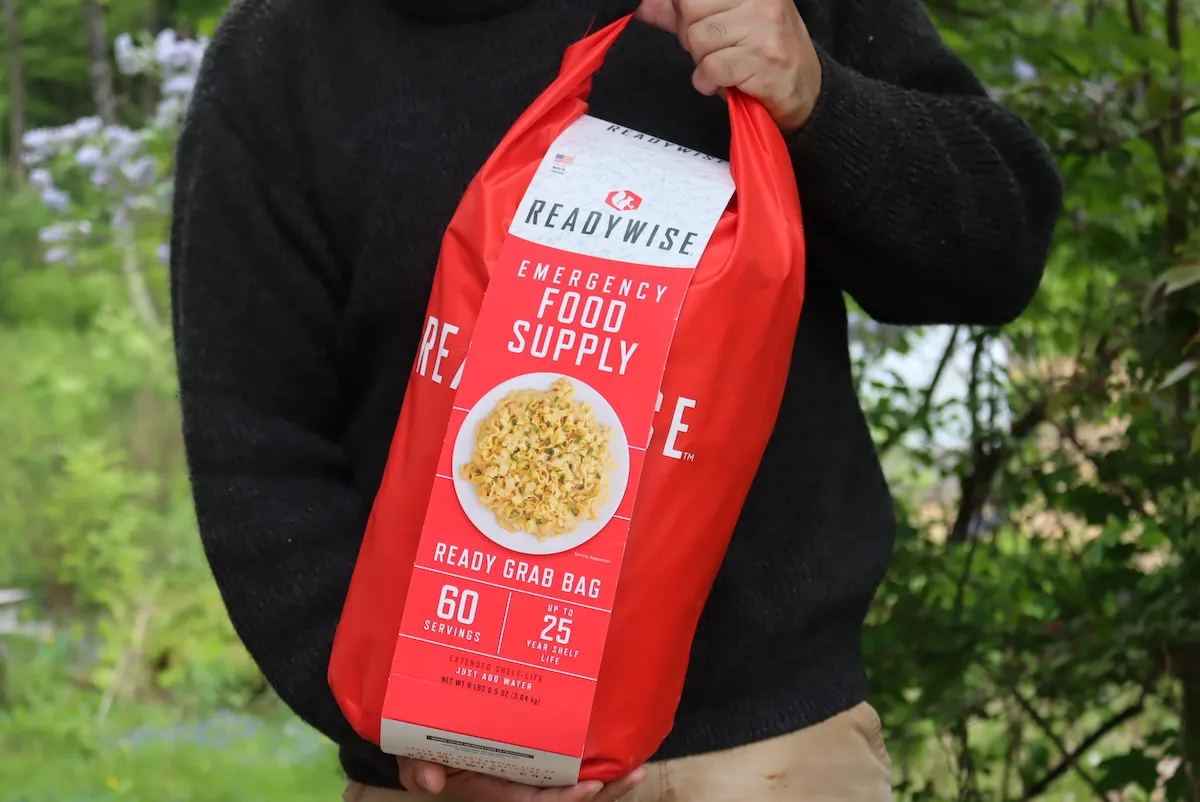
Learn how long-life emergency food works, how much you need, the best storage conditions and what a 25-year shelf life really means in practice.
How Long-Life Emergency Food Really Works
Long-life emergency food is designed to provide reliable meals when normal food supplies are disrupted. It is particularly useful during earthquakes, floods, storms, power outages, road closures and other emergencies that can prevent people from reaching supermarkets or safely preparing fresh food.
But how does emergency food remain usable for so long?
How much does each person need?
What does a “25-year shelf life” actually mean?
Understanding these details will help you choose an emergency food supply based on real needs—not simply the number of servings printed on the container.
What Is Long-Life Emergency Food?
Long-life emergency food is specially prepared and packaged to slow the processes that cause ordinary food to deteriorate. Depending on the product, it may be freeze-dried, dehydrated, compressed into ration bars or preserved in another shelf-stable form.
Two of the most common types are:
Freeze-dried food
Freeze-drying begins by freezing the prepared food. Moisture is then removed under a vacuum, allowing the ice to change directly into vapour. This removes most of the water while helping preserve the food’s flavour, texture and nutritional value.
The finished food is lightweight and can be stored for many years when correctly packaged. Most freeze-dried meals are prepared by adding water, ideally hot water, and allowing the food time to rehydrate.
Dehydrated food
Dehydration uses controlled heat and airflow to remove moisture. Dehydrated foods are also lightweight and long-lasting, although their texture and preparation time can differ from freeze-dried products.
Many long-term emergency food kits contain a mixture of freeze-dried and dehydrated ingredients.
Why Removing Moisture Extends Shelf Life
Moisture is one of the main factors that allows bacteria, mould and other microorganisms to grow. It also contributes to chemical reactions that gradually affect food quality.
Removing most of the water significantly slows these processes. Manufacturers then place the food in sealed packaging designed to protect it from moisture, air, light and contamination.
Emergency meals may be sealed in individual pouches, sometimes with an oxygen absorber, before being placed inside a durable bucket or container. The bucket provides additional protection and makes the food easier to store, move and organise.
Once a pouch is opened, however, its long-term shelf-life protection is reduced. Opened food should be treated according to the preparation and storage instructions on its packaging.
What Does “25-Year Emergency Food” Actually Mean?
A product advertised as having a 25-year shelf life is not automatically guaranteed to taste exactly the same on its final day as it did when first packaged.
In practice, “up to 25 years” generally means the unopened product is designed to remain usable for that period when stored under the manufacturer’s specified conditions. ReadyWise, for example, offers selected emergency food products promoted with an up to 25-year shelf life.
The phrase “up to” is important. Shelf life may vary between products and ingredients within the same emergency food kit. Some components may have shorter storage lives, so the information on the specific product label should always take priority over a general marketing claim.
A 25-year shelf-life claim usually assumes:
- The original pouch remains unopened and undamaged
- The packaging seal has not been compromised
- The food has been kept dry
- The product has not been exposed to pests
- Storage temperatures have remained within the recommended range
- The food has not experienced repeated extreme temperature changes
Shelf life is normally based on retaining acceptable safety and quality under expected storage conditions. It does not mean that opened food will last 25 years or that poor storage conditions will have no effect.
New Zealand Food Safety distinguishes between a use-by date, which relates to food safety, and a best-before date, which primarily relates to quality. Food with a best-before date may decline in quality after that date, while food should not be consumed after a use-by date. Always follow the date marking and instructions printed on the individual product. Learn more from New Zealand Food Safety.
The Importance of Storage Conditions
Temperature is one of the most important influences on the usable life of emergency food. A cool, dry and stable environment is generally better than somewhere exposed to heat, moisture or large temperature swings.
Suitable storage locations may include an internal cupboard, pantry or dedicated emergency-supplies room.
Avoid storing long-life food:
- In direct sunlight
- Beside heaters, boilers or hot-water cylinders
- In damp basements or cupboards
- Directly on concrete floors
- Where insects or rodents can reach it
- In a vehicle for extended periods
- In a garage or shed that becomes extremely hot in summer
New Zealand garages, shipping containers, ceiling spaces and garden sheds can become much hotter than the outdoor temperature. Repeated heat exposure may shorten shelf life and reduce food quality, even when the packaging still looks intact.
Store buckets and pouches off the floor where possible, particularly in flood-prone areas. Check them periodically for dents, punctures, swelling, moisture, rust, broken seals or pest damage.
Write the purchase date and expected shelf-life date somewhere visible on the container. This makes inspections and future replacement much easier.
How Much Emergency Food Does One Person Need?
The answer depends on the person, the expected duration of the emergency and how physically active they may be.
New Zealand’s Get Ready guidance recommends having enough long-lasting food and water for at least three days, while recognising that some emergencies may disrupt services for longer. It recommends at least nine litres of water per person for three days, which covers drinking and basic hygiene. Additional water will be required for cooking or preparing dehydrated meals. See the official Get Ready supplies guidance.
A practical emergency food calculation should consider:
- The number of people being supplied
- The number of days being planned for
- Meals required per person each day
- Total calories or energy provided
- Serving sizes
- Water needed for preparation
- Dietary requirements and allergies
- The needs of children, older people and pregnant or nursing people
- Food required for pets
- Whether cooking equipment and fuel will be available
For example, a household of four planning for seven days needs:
4 people × 7 days = 28 person-days of food
If planning for three meals per person each day:
28 person-days × 3 meals = 84 individual meal portions
However, meal numbers alone do not tell the full story.
Servings Are Not the Same as Complete Meals
Emergency food containers are often described by their total number of servings. A serving may be one portion of porridge, soup, rice, pasta or another individual food item. It does not necessarily represent a full day’s food—or even a complete meal.
For example, a bucket containing 120 servings does not necessarily provide one person with 120 days of food. The total depends on the size and energy content of each serving, the combination of foods included and how many servings are eaten each day.
When comparing emergency food products, look beyond the number printed on the front of the bucket. Check:
- Total calories or kilojoules
- Calories per serving
- Number of breakfasts and main meals
- Recommended serving sizes
- Total weight of food
- Amount of water required
- Whether meals are individually packaged
- Variety of meals included
Individual energy needs vary considerably according to age, body size, health, temperature and activity level. During a demanding emergency involving walking, lifting, clean-up or cold conditions, people may use more energy than they normally would.
The most accurate approach is to calculate how many complete days of realistic food the kit provides for your household or workplace.
Don’t Forget the Water
Freeze-dried and dehydrated emergency meals usually require water. A large food supply is of limited value if you do not have enough safe water to prepare it.
Get Ready recommends at least three litres of water per person per day for drinking and basic hygiene, with more required for cooking, washing and cleaning. Some people—including children, nursing mothers and those who are ill—may need more. Read the New Zealand water-storage guidance.
Check every meal in your emergency food kit and calculate the total preparation water required. Store this in addition to your basic drinking-water allowance.
You should also have:
- A portable cooker or other safe heating method
- An appropriate supply of fuel
- Matches or a lighter stored safely
- A pot or kettle
- Measuring equipment
- Bowls, cups and utensils
- A way to clean cooking equipment
Some meals can be prepared using cold water, but they may take longer to rehydrate and may not be as appealing.
Should Emergency Food Be Rotated?
Very long-life food does not require the frequent rotation associated with supermarket products, but it should not be forgotten completely.
Inspect your emergency food at least once a year.
Confirm that:
- Containers and pouches remain undamaged
- Storage conditions are still suitable
- The food has not been exposed to water or pests
- Preparation instructions remain readable
- Household dietary needs have not changed
- You still have sufficient water, fuel and equipment
- The quantity remains appropriate for your household or organisation
Shorter-life foods, snacks and canned products should be rotated through your normal meals and replaced as required.
Building a Practical Emergency Food Supply
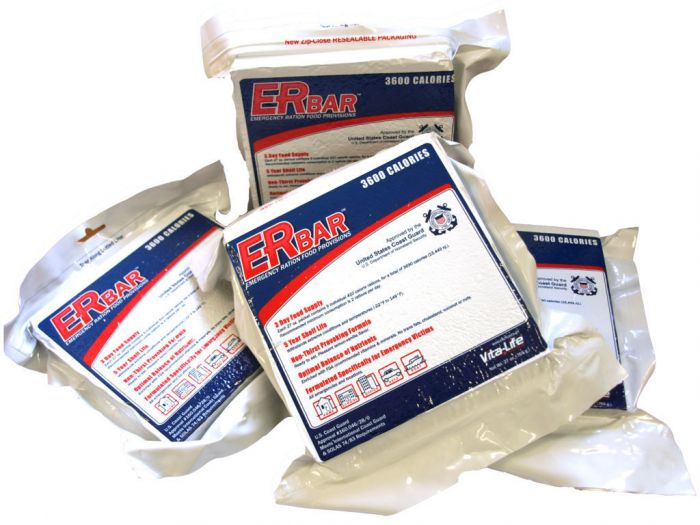
Long-life food works best as one part of a broader emergency plan. A balanced supply might include freeze-dried or dehydrated meals, emergency ration bars, canned food, familiar snacks and ordinary pantry staples.
Start by preparing for at least three days, then consider extending your supply to seven days or longer if your budget and storage space allow. People living in isolated areas or locations vulnerable to road closures may benefit from keeping a larger reserve.
Bunker Box supplies long-life emergency food for New Zealand households, workplaces, schools, community groups and government organisations. Our range includes ReadyWise emergency food buckets, New Zealand-made Back Country Cuisine meals and compact emergency food rations.
Choose your emergency food by looking at complete meals, total energy, preparation requirements and the number of people you need to support. Stored correctly, long-life emergency food can provide years of reassurance—and practical nutrition when ordinary food supplies are unavailable.