
Civil Defence Supplies for NZ Schools: A Practical Preparedness Guide
September 15, 2026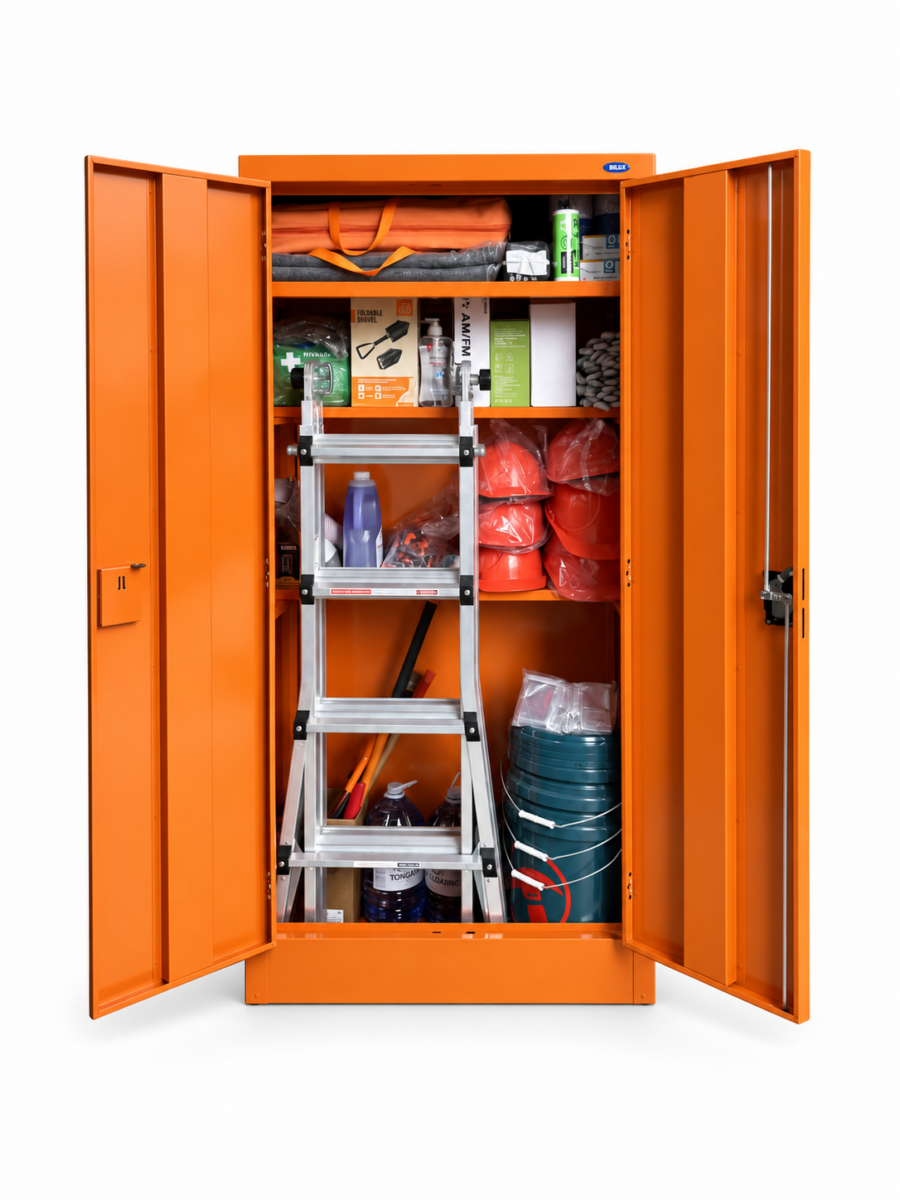
Every New Zealand workplace should be ready for emergencies that could endanger workers, damage buildings or interrupt essential services. Earthquakes, flooding, severe weather, fires, hazardous-material incidents and extended power or water outages can happen with little warning.
A suitable workplace emergency kit helps protect staff and visitors when people must evacuate, shelter in place or remain at work until it is safe to leave.
Are workplace emergency kits legally required in New Zealand?
New Zealand law does not prescribe one standard civil defence kit that every business must purchase. However, under the Health and Safety at Work (General Risk and Workplace Management) Regulations 2016, a person conducting a business or undertaking—usually referred to as a PCBU—must prepare, maintain and implement an emergency plan for the workplace.
The emergency plan must provide for:
- An effective response to an emergency
- Evacuation procedures
- Notifying emergency services as soon as possible
- Medical treatment and assistance
- Effective communication during the emergency
- Testing emergency procedures
- Training and instructing workers on the procedures
The plan must take into account the nature of the work, workplace hazards, the size and location of the workplace, and the number and composition of the workforce.
WorkSafe also requires at least one first aid kit at each workplace, with workers told where it is located. The number, type and contents of first aid kits should reflect the workplace’s size, location, workforce and risks.
In practice, a business needs enough suitable emergency equipment and supplies to make its emergency plan workable.
How long should workplace supplies last?
New Zealand Get Ready guidance recommends having food and water for three days or more if staff cannot leave the workplace. It recommends at least three litres of water per person per day.
For planning purposes, this means a minimum of:
| People onsite | Water for one day | Water for three days |
| 5 | 15 litres | 45 litres |
| 10 | 30 litres | 90 litres |
| 20 | 60 litres | 180 litres |
| 50 | 150 litres | 450 litres |
| 100 | 300 litres | 900 litres |
These figures cover drinking and basic hygiene only. Additional water may be required for hot environments, physically demanding work, food preparation, first aid or workers with particular health needs.
When calculating quantities, include:
- Employees
- Contractors
- Customers and visitors
- Staff working different shifts
- Anyone who may require additional assistance
Businesses should consider the highest realistic number of people onsite, rather than only the number of permanent employees.
Essential workplace emergency kit checklist
The appropriate contents will depend on the organisation’s risk assessment, location, building type and workforce. The following checklist provides a useful foundation.
1. Emergency water
Store enough drinking water for everyone who could be onsite for at least three days.
Your water supplies may include:
- Sealed, food-grade water containers
- Smaller containers that staff can safely carry
- A dispensing tap or pump
- Disposable or reusable drinking cups
- Water-treatment products
- Labels showing filling and inspection dates
Store water away from direct sunlight, chemicals, fuel and contaminants. Dividing it between more than one secure location reduces the risk of the entire supply becoming inaccessible.
Choose food that:
- Has a long shelf life
- Can be eaten without cooking
- Requires little or no water
- Is easy to distribute
- Provides useful energy and nutrition
- Accommodates common allergies and dietary requirements
Suitable options may include emergency ration bars, canned food, crackers, shelf-stable snacks, dried fruit and purpose-made long-life emergency meals.
Store a manual can opener if the supplies include canned food. If meals require hot water, make sure the workplace has an appropriate emergency cooking method and that it can be used safely in a well-ventilated location.
3. First aid equipment
At least one first aid kit must be available at every workplace, but larger or higher-risk workplaces may require multiple kits.
Consider including:
- Sterile dressings and adhesive strips
- Bandages and medical tape
- Disposable gloves
- Saline solution
- Burn dressings
- Scissors and tweezers
- CPR face shields
- Emergency blankets
- Instant cold packs
- Eye-wash supplies
- First aid instructions
- Casualty-record forms
First aid kits should be clearly marked, accessible and appropriate for the hazards present. Businesses should also ensure workers have access to an adequate number of trained first aiders.
4. Lighting and communication equipment
A workplace should not rely entirely on mains electricity, mobile networks or internet services.
Include:
- LED torches
- Headlamps for emergency wardens
- Spare batteries
- Battery-powered or wind-up radio
- Charged power banks
- Compatible charging cables
- Whistles
- Megaphone for larger workplaces
- Two-way radios where appropriate
- Printed emergency contact lists
- Printed maps and staff lists
- Pens, permanent markers and notepads
A battery-powered radio allows staff to receive official information if mobile and internet services are disrupted.
5. Personal protective equipment
The required protective equipment will depend on workplace hazards, but general emergency supplies may include:
- Heavy-duty work gloves
- Properly fitted P2 or N95 masks
- Safety glasses
- High-visibility vests
- Hard hats
- Hearing protection
- Sturdy footwear
- Waterproof jackets or ponchos
- Sun protection
Specialist workplaces may need respiratory equipment, chemical protection, spill-control supplies or other industry-specific PPE.
6. Shelter and warmth
If a building becomes unsafe, staff may need to remain outside or move to an alternative assembly area.
Useful supplies include:
- Emergency blankets
- Woollen blankets
- Tarpaulins
- Ground sheets
- Rope or cord
- Rain ponchos
- Warm clothing
- Portable shelter
- Sunscreen and sun hats
Select supplies appropriate to the local climate and possible evacuation locations.
7. Sanitation and hygiene supplies
An earthquake or infrastructure failure may disrupt water and wastewater systems.
Store:
- Toilet paper
- Large buckets with secure lids
- Heavy-duty rubbish bags
- Hand sanitiser
- Soap
- Disinfectant
- Disposable gloves
- Paper towels
- Wet wipes
- Menstrual products
- Face masks
- Privacy screens where necessary
Include written instructions for establishing and managing emergency toilet facilities safely.
8. Tools and practical equipment
Depending on workplace risks, a Civil Defence Cabinet with useful items may include:
- Multi-tool or basic tool kit
- Utility shut-off tool
- Crowbar
- Duct tape
- Rope
- Tarpaulins
- Fire extinguishers
- Barrier tape
- Traffic cones
- Emergency stretcher
- Waterproof document container
Workers should only use specialist rescue or emergency equipment when they have been properly trained.
9. Workplace grab bags
A central emergency kit is intended to support people who remain at the workplace. Grab bags serve a different purpose: they provide portable essentials if staff need to evacuate or walk home.
A workplace grab bag may include:
- Drinking water
- Compact emergency food
- Torch
- Power bank and charging cable
- First aid supplies
- Emergency blanket
- Waterproof poncho
- P2 or N95 mask
- Work gloves
- Whistle
- Basic toiletries
- Printed contact information
- Local map
- Small amount of cash
Get Ready recommends encouraging workers to keep personal grab-bag supplies at work, including sturdy walking shoes and waterproof clothing, in case normal transport is unavailable.
Adjust the kit to your workplace risks
A small office, construction site, warehouse and rural workplace will not have identical emergency requirements.
Consider:
- Location: Is the workplace exposed to tsunami, flooding, landslides, wildfire or volcanic hazards?
- Building: Is it a high-rise, shared building, industrial facility or isolated site?
- Work activities: Are hazardous substances, machinery, vehicles or flammable materials present?
- Workforce: Does anyone have mobility, medical, communication or dietary needs?
- Occupancy: How many contractors, customers or members of the public may be present?
- Access: Could damaged roads or bridges isolate the workplace?
- Utilities: What would happen without electricity, water, toilets, heating or communications?
- Evacuation: Could workers need to travel on foot to an alternative location?
Workplaces holding hazardous substances above specified thresholds may have additional emergency-response planning, equipment and testing obligations. These should be checked against current WorkSafe requirements.
Where should emergency supplies be stored?
Emergency kits should be:
- Clearly labelled
- Easy to reach
- Protected from weather, pests and contamination
- Located away from major workplace hazards
- Accessible without relying on electricity
- Known to workers and emergency wardens
- Divided across locations when practical
Do not store every item in a basement, locked office or single cupboard that could become inaccessible.
Large workplaces may benefit from a central civil defence cabinet supported by smaller departmental kits and evacuation grab bags.
How often should workplace emergency kits be checked?
Inspect emergency supplies at least every six months and after each emergency drill or activation.
During each inspection:
- Replace expired food, medical supplies and batteries
- Check stored water and containers
- Test torches and radios
- Recharge power banks
- Confirm first aid kits are complete
- Update staff and emergency contact lists
- Inspect PPE for damage
- Check that storage remains secure and accessible
- Review staff medical, mobility and dietary needs
- Record the inspection and any replacements
Assign responsibility for these checks to a named person or role. A documented maintenance schedule makes it less likely that supplies will be forgotten.
Supplies must support an emergency plan
Purchasing a workplace emergency kit is not enough by itself. Workers must understand the emergency procedures and know:
- Who is responsible for coordinating the response
- Where emergency supplies are located
- How alarms and communications work
- Where evacuation assembly areas are
- When to evacuate or shelter in place
- How to assist visitors and people needing support
- Who the trained first aiders and wardens are
- How staff will communicate with their families
- How and when the plan will be tested
Run regular drills, record the results and update the plan when risks, staffing or workplace arrangements change.
Preparing your New Zealand workplace
A suitable workplace emergency kit should reflect your people, location and hazards. As a starting point, prepare for everyone onsite to have water, food, first aid, lighting, communication, sanitation, warmth and essential protective equipment for at least three days.
Bunkerbox supplies New Zealand businesses and organisations with workplace emergency kits, civil defence cabinets, grab bags, long-life emergency food, water supplies, emergency blankets, first aid equipment, radios, lighting, sanitation products and stretchers.
For larger workplaces or multiple locations, Bunkerbox can help identify suitable products and quantities based on workforce numbers and practical emergency requirements.
This guide provides general preparedness information and is not a substitute for a workplace-specific risk assessment or professional legal, health and safety, fire-safety or emergency-management advice.
Find our more about Emergency Kits NZ, Emergency Food NZ or contact us for some advice with emergency preparedness.